⏱️ Reading time: 13 min
When we talk about depression, we need to look beyond the simplified idea many people have. The temporary sadness we feel after a bad day or disappointment is very different from the overwhelming experience of Major Depressive Disorder. While the former is a normal human emotion that comes and goes, the latter is a complex mental health condition that profoundly changes how a person thinks, feels, and functions in daily life. Depression is a real medical illness, with causes in the brain and serious consequences when left untreated.
🧭 “This content is part of our series on Mental Disorders: A Guide to Understanding, Recognizing, and Seeking Help.” 👈 (Click here)
Understanding mental disorders is the first step in transforming suffering into a path of healing and self-knowledge.
The World Health Organization classifies depression as one of the leading causes of disability worldwide, affecting millions of people. These numbers aren’t just statistics—they represent real stories of suffering that often hide behind a forced smile and the automatic response “I’m fine.” Understanding what depression really is, is the first step toward reducing the stigma that still surrounds this condition and opening the way to effective treatments.
The Neuroscience of Depression: What Really Happens in the Brain
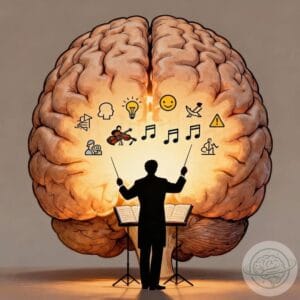
For a long time, we explained depression mainly as a “chemical imbalance” in the brain, focusing on substances like serotonin and dopamine. This view has its value, but recent research shows a much more complex picture. Depression involves changes in the structure and functioning of several brain areas, creating a perfect storm in the nervous system.
The front part of the brain (prefrontal cortex), responsible for planning, decision-making, and emotion control, often becomes “slower” in people with depression. This helps explain the difficulty concentrating, mental sluggishness, and inability to feel pleasure (anhedonia). At the same time, the system that processes emotions (limbic system), especially the amygdala (center of emotional reactions) and hippocampus (crucial for memory), shows significant changes. The amygdala can become hyperactive, amplifying negative reactions, while the hippocampus can shrink in size, which relates to memory problems.
Another crucial factor is neuronal plasticity—the brain’s ability to adapt and form new connections. In depression, this capacity is compromised. Research shows reduced levels of a protein essential for neuron growth and health (BDNF). This decrease contributes to structural brain changes and difficulty adapting to new situations. These findings reinforce that depression is a legitimate brain disease that requires specific, comprehensive interventions.
The Emotional and Cognitive Signs: A Mind in Emergency Mode
Depression manifests through a constellation of symptoms that persist for at least two weeks and cause real impact on daily functioning.
Depressed Mood That Goes Beyond Sadness
The mood in clinical depression is much more than being sad. It’s a deep feeling of emptiness, hopelessness, or irritability that dominates most of the day, nearly every day. Many describe it as “an emotional black hole” or “a constant weight on the soul” that doesn’t ease with distractions or environmental changes.
Anhedonia: When Pleasure Disappears
Anhedonia—marked loss of interest or pleasure in previously rewarding activities—is one of the most characteristic signs of depression. Hobbies, time with friends, sex life, and even contact with family lose all meaning. The person might continue doing these things, but the emotional spark is gone. This symptom is particularly painful because it removes the very sources of natural emotional comfort.
Distorted Thoughts and the Merciless Inner Critic
The mind becomes flooded with self-deprecating thoughts, excessive guilt feelings, and a distorted view of oneself and the world. The person may develop what experts call the “negative cognitive triad”: a negative view of oneself, the world, and the future. These thoughts become so automatic that the person often doesn’t even realize they’re distorted, accepting them as absolute truths. This mechanism also appears in other conditions, like the persistent feeling of being a fraud in professional settings, where severe self-criticism and devaluation of one’s own achievements are central.
Concrete Cognitive Difficulties: The Brain in Slow Motion
Problems with concentration, memory “blanks,” and slowed thinking make professional and academic tasks true challenges. Decision-making ability becomes profoundly compromised—some report difficulty even choosing what to wear or eat. These limitations often generate secondary anxiety and feelings of incompetence, feeding the depressive cycle further.
Thoughts About Death and Suicidal Ideation (Maximum Alert Sign)
Thoughts about death or suicidal ideation represent the most serious sign, requiring immediate intervention. It’s crucial to understand that these thoughts generally don’t reflect a genuine desire to die, but rather a deep yearning for relief from emotional pain that has become unbearable. Suicidal ideation is a symptom of the illness, not a character flaw, and its presence indicates the urgent need for specialized professional support.
Physical and Behavioral Signs: When the Body Expresses the Mind’s Pain
Depression isn’t just a disease of the mind—it manifests intensely in the body.
Disregulated Sleep: From the Extremes of Insomnia to Sleeping Too Much
Changes in sleep patterns are extremely common, taking two seemingly opposite forms: insomnia (difficulty falling asleep, staying asleep, or waking too early) or hypersomnia (excessive sleepiness, needing to sleep for long periods). Many experience “non-restorative sleep”—waking exhausted even after many hours of sleep, as if they hadn’t rested at all.
Appetite and Weight: From Total Loss to Comfort Eating
Changes in appetite follow a similar pattern. Some people lose almost all appetite, finding previously favorite foods bland or even repulsive, resulting in significant weight loss. Others seek comfort in food, with intense cravings for carbs and sweets, leading to weight gain. Both extremes reflect the dysregulation of the brain’s pleasure and reward systems.
The Constant Fatigue That Paralyzes
Debilitating fatigue is one of the most disabling symptoms. It’s not normal tiredness after a workday, but a profound exhaustion that turns simple tasks like showering or preparing a meal into monumental challenges. Many describe feeling “heavy,” as if moving through molasses, with every movement requiring superhuman effort.
Changes in Speed: From Agitation to Extreme Slowness
Some people experience psychomotor agitation—inability to sit still, restlessness, repetitive purposeless movements. Others experience the opposite extreme: psychomotor retardation, with extreme slowness in movements, speech, and thinking. These changes are visible to observers and reflect deep dysregulation in the systems controlling motor activity.
Physical Pains with No Apparent Cause
Headaches, digestive problems, chronic muscle and back pain are extremely common in depression. Many patients go through various medical specialties seeking relief for these physical symptoms without suspecting their origin lies in untreated depression. These physical manifestations are often the first sign of a depressive episode, appearing before the more recognizable emotional symptoms.
Demystifying Depression: Separating Fact from Fiction
Depression remains shrouded in myths that perpetuate stigma and hinder treatment seeking.
Recommended Readings

The Wisdom of Finitude: Finding Life in the Awareness of Death
Discover how the wisdom of finitude can be your greatest ally. Learn to use the awareness of death to live with more purpose, presence, and courage. Memento mori techniques and a transformative exercise.

Abusive Relationships: The Bonds That Blind
Learn to identify the signs of abusive relationships, understand the cycle of violence, and discover strategies to break these bonds and reclaim your life.

How to Deal with Anger: A Guide to Healthy Expression
Learn to deal with anger in a healthy way. Discover techniques to calm down, communicate assertively, and transform this emotion into a positive force.
Myth 1: “Depression is Weakness or Lack of Willpower”
Neuroscientific evidence shows measurable changes in brain structure and function. No one chooses to have depression, just as no one chooses to have diabetes or high blood pressure. It’s a medical condition, not a moral failing.
Myth 2: “It’s Just About Positive Thinking”
Although negative thoughts are part of the depressive experience, they are symptoms of the illness, not its primary cause. Therapy helps modify these patterns, but that doesn’t mean the person is “to blame” for having them.
Myth 3: “Medication Creates Dependency and Changes Personality”
Modern antidepressants do not create dependency in the clinical sense (like some other substances). They don’t “change who the person is,” but help restore normal brain function, allowing the genuine personality to emerge again, free from debilitating symptoms.
The American Psychiatric Association emphasizes that dismissing symptoms and perpetuating these myths contributes to the “treatment gap”—the interval between symptom onset and receiving adequate care, which can take years. Fighting misinformation is a public health intervention that can save lives.
The Path to Recovery: Approaches That Work
Recovery from depression usually requires a multimodal approach combining different evidence-based interventions.
Specialized Professional Interventions
Psychotherapy is a fundamental pillar. Cognitive Behavioral Therapy (CBT) focuses on identifying and restructuring distorted thought patterns and unhelpful behaviors. Through specific techniques, people learn to challenge negative automatic thoughts and gradually resume pleasurable activities.
Acceptance and Commitment Therapy (ACT) offers a complementary perspective, emphasizing acceptance of difficult emotions rather than trying to eliminate them, while moving toward what truly matters in life. Interpersonal therapy focuses on improving relationships and communication patterns.
Psychiatric follow-up is often necessary, particularly in moderate to severe cases. Antidepressant medications work by normalizing brain function and promoting neuroplasticity. It’s crucial to understand that these medications aren’t “happiness pills,” but tools that create conditions for psychotherapy and other interventions to be effective. Ideal treatment involves collaboration between psychologist and psychiatrist.
Self-Management Strategies and Support
Alongside professional interventions, self-management strategies play a crucial role:
- Behavioral Activation: Gradual scheduling of pleasurable activities and those bringing a sense of accomplishment. Starting with small, realistic goals is fundamental.
- Mindfulness and Meditation: Practices that have shown neuroprotective effects, reducing mental rumination and strengthening emotional regulation. Our guide Mindfulness: Finding Peace in the Present Moment offers a practical way to begin.
- Lifestyle: Regular physical activity works as a natural antidepressant. Conscious nutrition and sleep hygiene help restore body and mind balance.
- Support Groups: Connecting with others who share similar experiences reduces isolation and feelings of inadequacy.
Key Questions Answered
For clarity and quick reference, here are answers to the most common questions about depression:
- Q: What’s the difference between normal sadness and depression?
A: Normal sadness is temporary, proportional to an event, and doesn’t completely prevent functioning. Depression involves multiple symptoms (depressed mood, loss of pleasure, sleep/appetite changes, fatigue) that persist for at least two weeks and cause significant impairment in personal, social, or professional life. - Q: Is depression curable?
A: Depression is a treatable and manageable condition. With proper treatment (psychotherapy, medication when indicated, lifestyle changes), the vast majority of people experience significant symptom improvement and resume their quality of life. Some may have single episodes, others may need ongoing management, as with various chronic medical conditions. - Q: When should I seek professional help?
A: Seek help if symptoms persist for more than two weeks, cause intense suffering, or impair your ability to work, study, care for yourself, or relate to others. Thoughts about death or suicide require immediate help. You don’t need to “hit rock bottom” to deserve care. - Q: Do antidepressant medications cause addiction?
A: No, in the sense of creating chemical dependency or compulsion to use. However, as they act on the nervous system, they shouldn’t be stopped abruptly without medical guidance, as they may cause discontinuation symptoms. Their use is supervised with a gradual discontinuation plan when appropriate. - Q: How can I help someone with depression?
A: Offer non-judgmental listening, validate the person’s pain (“that must be very difficult”), avoid phrases like “cheer up” or “it’s a lack of faith.” Gently encourage seeking professional help and offer practical support (like helping schedule an appointment). Also take care of yourself, as supporting someone with depression can be draining.
Practical Exercise: Reconnecting with the Present – Sensory Grounding in 6 Steps
Depression often traps the mind in a cycle of rumination about the past or worry about the future. This sensory grounding exercise was developed to help reconnect with the immediate experience of the present moment, offering temporary refuge from internal turbulence. Regular practice can strengthen your ability to observe difficult thoughts and emotions without being completely overwhelmed by them.
Context:
You’ll use your five senses to “anchor” yourself in the here and now, interrupting the flow of ruminative thoughts. Set aside 5-10 minutes in a quiet place.
Part 1: External Observation (Sounds and Touch)
- Find a quiet place where you can sit comfortably. Close your eyes gently and bring your attention to your breath for 3 cycles (inhale and exhale naturally).
- Direct your attention to sounds. Identify three different sounds you can hear right now—it could be street noise, birdsong, fan sound, or your own breathing. Just observe each sound, without judgment.
- Move attention to touch. Notice three points of contact between your body and surrounding surfaces—feet on the floor, back against the chair, hands on your legs. Feel the textures, temperatures, and pressures.
Part 2: Internal Body Awareness and Visual
- Focus on internal sensations. Choose two sensations you can feel inside your body—heartbeat, breath through nostrils, energy in your hands. Just observe with gentle curiosity.
- Open your eyes slowly. Identify three objects you can see in your environment. Observe colors, shapes, textures, and how light interacts with them. Let your attention rest in the visual experience.
- Finish with a positive memory. Bring to mind a brief memory of a moment of safety, tranquility, or light contentment (a sunset, a hug, a cup of tea). Briefly relive the sensations before returning to your breath.
Considering what we’ve explored about depression, which aspect of your understanding of this condition has changed or deepened? And which strategy—the sensory grounding practice or challenging myths about depression—seems more relevant to your current context?
Before you move on with your day, take a moment.
Take a deep breath and carry with you one intention from this article: observe a self-critical thought without automatically believing it. Genuine change begins with small moments of conscious distance.
For further information, check out these references:
- World Health Organization. (2021). Depression and Other Common Mental Disorders. Comprehensive global report on the prevalence, impact, and treatment guidelines for depression, essential for understanding its scale as a worldwide public health issue.
- American Psychiatric Association. (2022). Practice Guideline for the Treatment of Patients with Major Depressive Disorder. Updated, evidence-based national recommendations for effective clinical management of depression, with a focus on treatment realities.
- Beck, A. T., & Alford, B. A. (2009). Depression: Causes and Treatment. Foundational work establishing the basis of the cognitive approach to depression, detailing the relationship between distorted thoughts, emotions, and behaviors in the depressive cycle.
For a comprehensive and integrated overview of how various disorders connect and impact life, check out our complete guide: Mental Disorders: A Guide to Understanding, Recognizing, and Seeking Help.