Psychopathologies – understanding mental suffering to support care
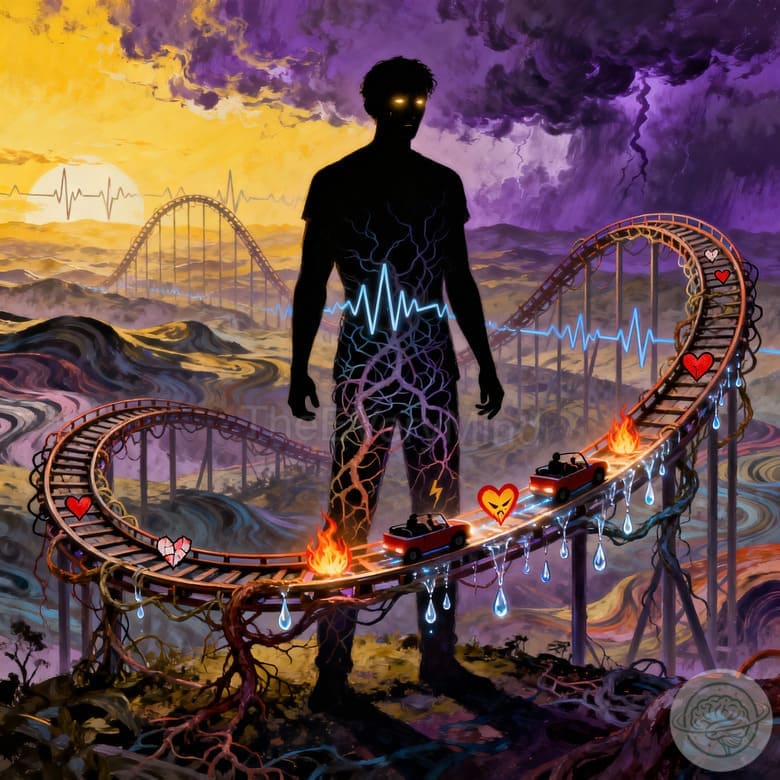
The Psychopathologies category brings together content that explores mental disorders and psychological conditions from a clinical, educational, and human-centered perspective. It covers how different psychopathologies affect the way people think, feel, and behave, including conditions such as depression, anxiety disorders, ADHD, OCD, PTSD, mood disorders, and other forms of psychological distress that may cause significant suffering or functional impairment in daily life.
The focus is to provide clear, empathetic, and evidence-based information, helping readers distinguish between common emotional experiences and situations that may require professional evaluation and care.
What are psychopathologies
Psychopathologies are not signs of weakness, moral failure, or lack of willpower. They refer to patterns of psychological suffering that emerge from a complex interaction of biological, psychological, and social factors. These conditions can affect sleep, energy levels, concentration, emotions, relationships, behavior, and overall quality of life.
In this category, the articles aim to explain symptoms, diagnostic frameworks, and possible treatment approaches in a responsible and accessible way, always avoiding stigmatizing labels, oversimplifications, or sensationalist language.
Comorbidities: when conditions overlap
Psychological suffering rarely fits into a single, isolated diagnosis. It is common for depression and anxiety to coexist, for trauma-related conditions to appear alongside substance use problems, or for ADHD to be accompanied by emotional regulation and relationship difficulties.
For this reason, the Psychopathologies category also addresses comorbidities, highlighting how different conditions can interact, overlap, and influence one another — and what this means in real-world mental health care and treatment planning.
What you will find in this category
In this category, you will find articles covering:
- Mood disorders, such as depression and bipolar disorder.
- Anxiety-related conditions, including panic disorder, phobias, and OCD.
- ADHD, autism in adulthood, and other neurodevelopmental conditions.
- Trauma-related conditions, such as PTSD and dissociative symptoms.
- Comorbidities involving mental disorders, substance use, and physical health conditions.
- Treatment approaches, including psychotherapy, medication, and lifestyle-based interventions.
The content is intended both for people who experience these conditions firsthand and for family members, friends, educators, and professionals who want to better understand what may be happening and how to offer informed and responsible support.
How to use this category
A helpful way to navigate the Psychopathologies category is to begin with articles that explain, in general terms, what psychopathologies are and why comorbidity is so common in mental health. From there, you can move on to more specific topics, such as depression, anxiety disorders, ADHD, PTSD, or dissociative conditions.
As you read, notice which descriptions resonate with your own experience or with the experience of someone close to you, always keeping in mind that this content does not replace professional assessment. The goal of this category is to serve as a point of support for recognizing warning signs, deepening understanding, and clarifying when and how to seek help.
Connect with the pillar page
If you would like a broader, integrative overview before exploring specific conditions, we recommend visiting the thematic pillar Mental Disorders: A Guide to Understanding, Recognizing, and Seeking Help.
This pillar brings together the core concepts related to mental disorders and comorbidities and serves as the main reference point to organize your reading journey within the Psychopathologies category.
From there, you can continue exploring other areas of the site, such as Therapy & Psychology, Health & Lifestyle, or Human Relationships, connecting clinical concepts with lived experiences, relationships, and everyday life choices.