Human Relationships – connection, empathy, and mutual support
The Human Relationships category brings together content on human relationships and mental health. It focuses on everyday interactions, friendship, empathy, and emotional support networks, showing how the way you relate to others – at home, at work, at school, or on social media – directly affects psychological well‑being, sense of belonging, and quality of life.
What you will find in this category
In this category, you will find articles on harmonious coexistence, empathic communication, genuine friendship, and family and romantic relationships, as well as reflections on respect, trust, and mutual support in human interactions. The content helps you recognize relationship patterns that protect mental health – such as secure bonds, open dialogue, and empathy – and also those that generate distress, like constant conflict, lack of listening, or relationships marked by emotional dependence.
The articles welcome anyone who wants to better understand their bonds, learn to set healthy boundaries, and build more conscious connections. The idea is to show, in practical terms, how human relationships and mental health go hand in hand: the safer and more caring the relationships, the greater the sense of support, emotional protection, and possibility of growing together with other people.
How to use this category
A good way to start using this category is by reading introductory articles that explain basic concepts such as coexistence, empathy, and emotional support. Then you can move on to more specific topics, like emotional dependence, abusive relationships, family conflict, or communication difficulties.
You can also choose where to begin based on the area of life that feels most challenging right now – family, friendships, romantic relationships, or work – and look for articles that speak directly to those situations. As you read, notice which behaviors, feelings, and patterns also show up in your own relationships. The goal is for this category to work as a practical map to better understand your experiences with other people and gradually build safer, more respectful, and more balanced relationships.
Connect with thematic pillars
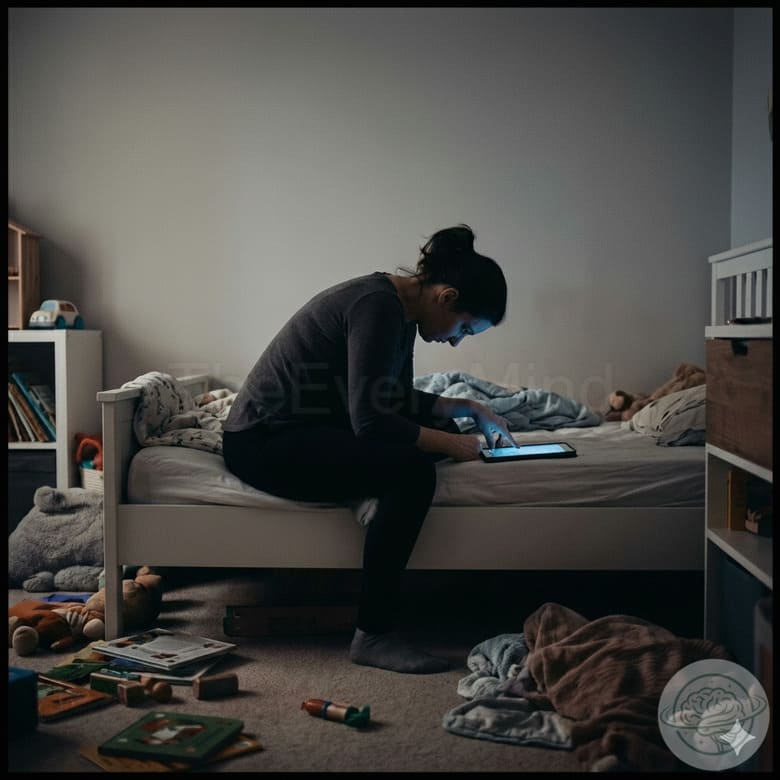
If you want to go deeper into topics such as loneliness, belonging, and support networks in the digital age, you can explore the thematic pillar A guide to mental health in the screen age, which examines how online life and social context shape connection and isolation.
To understand how relationships appear in other areas of life, it may also help to visit pillars such as Mental disorders: a guide to understanding, recognizing, and seeking help, which discusses bonds in the context of symptoms and diagnoses, and Burnout and well‑being at work: from exhaustion to care, which looks at the challenges of relationships in professional environments.