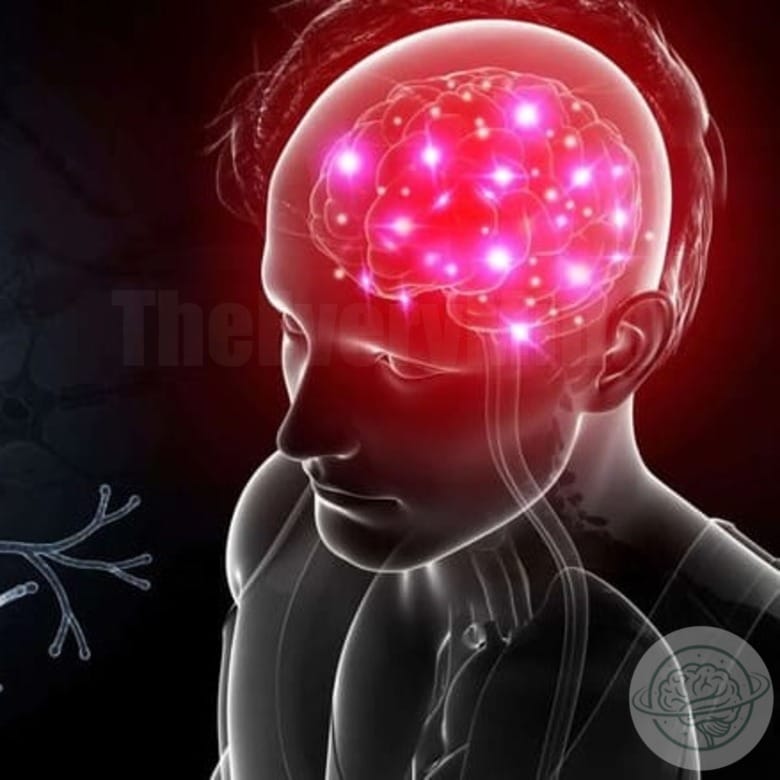
Therapy & Psychology – understanding how the mind works
The Therapy & Psychology category brings together content on therapy, psychological theories, and core concepts that help you better understand how the mind works. Here, the world of psychology is brought closer to everyday life, explaining complex ideas in accessible and responsible language. The aim is to show how psychological knowledge can support self‑knowledge, treatment, and ongoing mental health care.
When therapy can help
Therapy is recommended when emotional suffering starts to interfere with sleep, work, studies, relationships, or how you relate to yourself. At the same time, it can also be a space for prevention and growth, not only for moments of “crisis.” In this category, you will find articles that explain when to seek help, what to expect from the first sessions, and how to choose a mental health professional safely.
Psychology concepts in everyday life
Terms such as self‑esteem, trauma, attachment, executive functions, and emotional regulation appear frequently in conversations and on social media. For that reason, Therapy & Psychology is also dedicated to translating concepts from clinical psychology, neuroscience, and different therapeutic approaches. The goal is to help you recognize these processes in yourself and in your relationships, without falling into simplistic labels or rushed self‑diagnoses.
What you will find in this category
In this category, you will find articles on:
- When and why to start therapy, and how the therapeutic process works.
- Main psychological approaches, such as CBT, psychoanalysis, mindfulness‑based therapies, and others.
- Core psychology concepts, including trauma, attachment, emotions, beliefs, and behaviors.
- Neuroscience applied to daily life: brain, stress, memory, and emotional regulation.
- Limits of online content and the importance of professional assessment in cases of intense suffering.
The content is written for people who are already in therapy, those who are thinking about starting, and anyone who is curious about psychology. Each article aims to balance theoretical explanation, practical examples, and realistic guidance on what you can expect from the therapeutic process.
How to use this category
To start, a good way to navigate Therapy & Psychology is to read articles that explain what therapy is, what the main approaches are, and how to choose a psychologist or psychotherapist. Then you can move on to more specific topics, such as trauma, emotional regulation, behavior patterns, or how the brain works.
As you read, notice which concepts resonate most with your own story and with the moment you are living. The idea is for this category to work as a guide to better understand psychological processes and, when necessary, support your decision to seek professional help.
Connect with thematic pillars
If you want to relate what you learn here to symptoms and diagnoses, you can explore the thematic pillar Mental disorders: a guide to understanding, recognizing, and seeking help, which offers a broader view of different clinical conditions.
To go deeper into how these psychological processes show up at work and in emotional exhaustion, it is worth visiting Burnout and well‑being at work: from exhaustion to care. And to connect therapy with everyday choices, habits, and routine, you can explore the content in the Health & Lifestyle area of the site, which looks at how body, rest, and daily structure support mental health.