⏱️ Reading time: 6 min
For many people, sadness is not an unexpected visitor that leaves after a few days. Instead, it is a constant presence, a silent background that accompanies every experience, like a gray filter over life. This is the essence of dysthymia, officially known as Persistent Depressive Disorder. Unlike acute depressive episodes, persistent depression is a low-grade but chronic condition that can last for years, often described as “a fog that never lifts.”
🧭 “This content is part of our series on Mental Disorders: A Guide to Understanding, Recognizing, and Seeking Help.” 👈 (Click here)
Understanding mental disorders is the first step in transforming suffering into a path of healing and self-knowledge.
Dysthymia is a shadow that blends with one’s personality. Those who have lived with it for years may believe that “being this way” is simply their nature – more reserved, less motivated, constantly tired. This article aims to shed light on this often overlooked condition, offering scientific understanding, validating the experience of those who suffer, and presenting practical paths to reclaim the light and color of life.
What is Dysthymia? Beyond “Mild Sadness”
Dysthymia is a mood disorder characterized by a chronic and persistent depressive state. Diagnosis requires that a depressed mood be present for most of the day, on most days, for at least two years in adults (or one year in adolescents). During this period, symptoms may fluctuate in intensity but rarely disappear completely.
What differentiates persistent depression from major depressive disorder is its duration and the “entrenched” nature of its symptoms. While major depression is often felt as an abrupt fall, dysthymia is like a gentle, prolonged slope. Its symptoms include:
- Chronic depressed mood
- Low self-esteem or feelings of inadequacy
- Fatigue or loss of energy
- Difficulty concentrating or making decisions
- Appetite changes (overeating or undereating)
- Sleep changes (insomnia or hypersomnia)
- Feelings of hopelessness
The Neurobiology of Persistence: Why Doesn’t It Go Away?
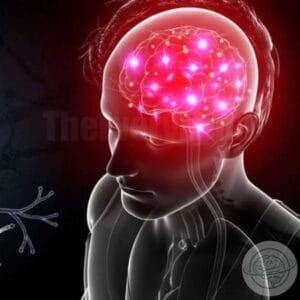
Dysthymia has solid neurobiological bases. Neuroimaging research shows alterations in fundamental brain circuits for mood regulation, particularly involving the limbic system (our emotional center) and the prefrontal cortex (responsible for cognitive control and decision-making).
Studies indicate less efficient functioning of neurotransmitters like serotonin, norepinephrine, and dopamine, which are crucial for well-being, motivation, and pleasure. This low-grade but constant neurochemical dysregulation is what sustains persistent depression. It is important to normalize this reality: dysthymia is not a character flaw; it is a medical condition with biological bases, as detailed in Beyond Sadness: Understanding Depression and Its Signs.
Dysthymia vs. Major Depression: Understanding the Differences
Understanding the difference between dysthymia and Major Depressive Disorder is crucial for correct diagnosis and treatment. Many people may experience both conditions, a state known as “double depression” – when a major depressive episode sets in on pre-existing dysthymia.
The main difference lies in intensity and constancy. Major depression is often disabling, making basic tasks like getting out of bed or showering almost impossible. Dysthymia, on the other hand, allows for basic functioning – the person goes to work, fulfills obligations – but with a profound sense of emptiness, fatigue, and lack of pleasure (anhedonia). It is a silent struggle, where the person appears to be functioning, but inside feels unsatisfied and exhausted all the time.
Recommended Readings

Caregiver Syndrome: The Invisible Price of Caring
Understand Caregiver Syndrome: the physical & emotional burnout of caregivers. Discover causes, signs, and practical self-care strategies to preserve your mental health.

Ikigai: The Japanese Art of Finding Your Purpose
Discover Ikigai, the Japanese philosophy of purpose. Learn the 4 pillars (Love, Good At, World Needs, Paid For) and a practical exercise with a visual map to find more meaning and satisfaction in your life and work.

Self-Care Is Not Selfish: Taking Care of Yourself is Essential
Discover why self-care isn't selfish, but a necessity. Learn the 4 pillars of genuine self-care and a practical exercise for your routine.
Diagnosis and the Trap of Normalization
One of the biggest obstacles to diagnosing dysthymia is its very nature. Because it is so persistent, it becomes “normal” for the person. They may not report the symptoms because they believe they have “always been this way.” Family and friends can reinforce this idea with phrases like “he’s always been quiet” or “that’s just her pessimistic way.”
Diagnosis should be made by a mental health professional (psychiatrist or psychologist) through a detailed clinical evaluation. It is essential to rule out other medical conditions that can mimic depressive symptoms, such as hypothyroidism, vitamin deficiencies, or other neurological conditions, a theme we explore in Neuroplasticity: Your Brain’s Incredible Ability to Renew Itself.
Treatment: Breaking Through the Persistent Fog
The good news is that dysthymia is treatable. Given its chronic nature, treatment requires a multimodal and consistent approach, but recovery is possible.
- Psychotherapy: Modalities such as Cognitive Behavioral Therapy (CBT) are extremely effective. CBT helps identify and restructure the negative and distorted thought patterns that fuel persistent depression. Acceptance and Commitment Therapy (ACT) is also valuable, focusing on accepting difficult feelings and committing to actions aligned with personal values.
- Medication: Antidepressants, particularly Selective Serotonin Reuptake Inhibitors (SSRIs), can be fundamental in correcting the underlying neurochemical dysregulation. Pharmacological treatment for dysthymia is generally long-term and must be rigorously monitored by a psychiatrist.
- Lifestyle Changes: Lifestyle interventions are powerful adjuncts. Regular physical exercise has been shown to be as effective as medication for mild to moderate cases of depression. Mindfulness techniques and a balanced diet also support recovery, as explored in The 5 Pillars of Mental Health.
Practical Exercise: Rebuilding Interest and Pleasure
This one-week exercise is designed to combat anhedonia (lack of pleasure) and rebuild positive connections, a crucial step in managing dysthymia.
- Activity Monitoring: List 5 simple activities that brought you pleasure in the past (e.g., listening to a specific song, walking in a park, reading a certain genre of book, having a special coffee).
- Commitment to a “Pleasure Activity”: Every day, commit to doing one of these activities, even if you don’t feel like it. The rule is to “act according to your values, not your mood.”
- Pre- and Post-Activity Log: Before starting, on a scale of 0 to 10, rate your mood and energy level. After the activity, rate them again.
- Observation Without Judgment: Observe any change, no matter how subtle, without pressuring yourself to “feel good.” The goal is to observe the process.
- Identification of “Clarity” Moments: During the week, be aware of brief moments, even seconds, when the “fog” seems to lift slightly. Note what was happening at that moment.
- Weekly Reflection: At the week’s end, review your log. What patterns do you observe? Was there any activity that consistently generated slight improvement, however minimal?
When reflecting on the exercise of rekindling interest, what would be a simple activity from your past (like listening to a specific album or preparing a favorite tea) that, even if it seems distant today, you would allow yourself to try to “reactivate” as a first sign of kindness to yourself?
To delve deeper, check these references:
- American Psychiatric Association. (2013). Diagnostic and Statistical Manual of Mental Disorders (5th ed.).
- Cuijpers, P., et al. (2010). Psychotherapy for chronic major depression and dysthymia: A meta-analysis. Clinical Psychology Review.
- Hellerstein, D. J., et al. (2010). Cognitive Behavioral Therapy for Dysthymic Disorder. Psychiatric Clinics of North America.
For a comprehensive and integrated overview of how various disorders connect and impact life, check out our complete guide: Mental Disorders: A Guide to Understanding, Recognizing, and Seeking Help.