⏱️ Reading time: 8 min
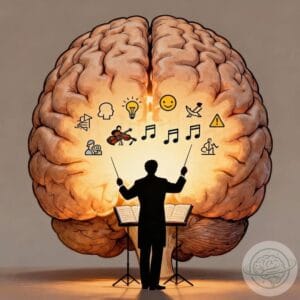
The human experience of happiness, motivation, and connection seems magical but has solid scientific foundations in brain chemistry. The neurotransmitters of well-being are essential chemical messengers that regulate our emotional state, cognitive functions, and social behavior. Understanding this system doesn’t reduce our experiences but offers tools to optimize our mental health through conscious choices. Every emotion we experience, from the most intense joy to the deepest serenity, is mediated by this complex chemical orchestration continuously occurring in our brain.
Modern neuroscience reveals we have significant capacity to positively influence our emotional chemistry through specific habits and behaviors. This knowledge empowers each person to become an active agent in promoting their own well-being, transforming scientific understanding into accessible daily practices. The relationship between lifestyle and neurochemical balance represents one of the most promising discoveries of contemporary psychology.
Foundations of Neural Communication
Neurotransmitters are specialized signaling molecules that transmit information between neurons through structures called synapses. This fundamental process occurs when these chemical substances bind to specific receptors on the neuronal membrane, triggering responses that can be excitatory or inhibitory. The dynamic balance between different neurotransmitters of well-being is crucial for emotional homeostasis and optimal cognitive functioning in various life situations.
The nervous system maintains a delicate chemical balance where each neurotransmitter has specific functions but acts in close collaboration with other system components. This fine orchestration allows us to experience emotions appropriate to circumstances, maintain adequate mental and physical energy levels, and efficiently recover from everyday stressful events. Understanding these mechanisms opens doors to non-pharmacological interventions in mood management and cognitive performance.
The inherent plasticity of the nervous system means that neurotransmitter release patterns can be modified through experience and consistent practice of healthy behaviors. This neuroplasticity represents the scientific basis for self-care and personal development approaches, offering real hope for those seeking to improve their quality of life through natural and accessible means.
The Four Neurochemical Pillars of Well-Being
Dopamine: The Fuel of Motivation and Reward
Dopamine primarily regulates the brain’s reward system, being essential for motivation, sustained focus, and genuine pleasure experience. This fundamental neurotransmitter is released when we achieve significant goals, creating a virtuous cycle of pursuit of personal and professional accomplishments. Imbalances in the dopaminergic system directly relate to chronic procrastination, persistent lack of motivation, and neurodevelopmental conditions like ADHD in adult life, which significantly affect quality of life.
Beyond motivational functions, dopamine actively participates in movement regulation, higher cognitive processes, and decision-making. Its adequate production is linked to the sensation of purpose and engagement with meaningful activities. Strategies to naturally optimize dopaminergic function include establishing clear goals, celebrating small achievements, and engaging in activities that provide challenges appropriate to individual capabilities.
Serotonin: The Central Emotional Stabilizer
Serotonin acts as master regulator of mood, appetite, circadian rhythms, and basic cognitive functions. Adequate levels of this neurotransmitter promote lasting calm, personal confidence, and emotional resilience in facing life’s adversities. Serotonergic deficiency strongly associates with mood disorders, generalized anxiety, and conditions that profoundly impact psychological and relational well-being.
This neurotransmitter is synthesized from the amino acid tryptophan, obtained through diet, and its production is influenced by factors like sunlight exposure, exercise practice, and sleep quality. Serotonin exemplifies how lifestyle interventions can directly impact brain chemistry, offering accessible paths for preventive mental health promotion and maintenance of emotional balance.
Oxytocin: The Molecule of Connection and Trust
Popularly known as the “love hormone,” oxytocin fundamentally mediates the formation of social bonds, development of interpersonal trust, and capacity for genuine empathy. Released during positive social interactions and affectionate physical contact, this neurotransmitter strengthens meaningful relationships and promotes deep sensations of emotional security and social belonging.
Its role is crucial for our essentially social nature and long-term relational health. Research demonstrates that adequate oxytocin levels correlate with greater marital satisfaction, more responsive parenting, and more robust social support networks. Practices that stimulate its release include physical expression of affection, engagement in meaningful conversations, and participation in community activities.
Endorphins: The Body’s Natural Painkillers
Endorphins are neuroactive peptides with natural analgesic and euphoric functions, released mainly in response to physical stress, vigorous exercise, and intense pleasurable experiences. They act as natural modulators of pain perception and promoters of physical well-being, being essential for body recovery processes and homeostasis after significant effort.
Beyond situations of physical exertion, endorphins are released during experiences like spontaneous laughter, consumption of spicy foods, and advanced meditative practices. Their “natural high” effect represents an evolutionary mechanism to encourage behaviors beneficial to species survival and well-being, demonstrating the inherent wisdom of the human body’s regulatory systems.
Practical Neurochemical Optimization Strategies
For Dopamine: Motivational Strategies
Establish realistic progressive goals and consciously celebrate each small achievement throughout the process. Practice regular physical exercises involving personal overcoming and engage in challenging learning that maintains active interest. Brain neuroplasticity responds positively to controlled novelties and consistent accomplishments, reinforcing neural circuits of intrinsic motivation.
Incorporate gamification elements into routine tasks and develop progress recognition rituals. Diversifying satisfaction sources prevents dependence on external rewards, strengthening autonomous motivation. These principles apply to both professional context and personal development, representing versatile tools for dopaminergic system optimization.
Recommended Readings

Unrecognized Grief: The Invisible Pain That Needs Validation
Understand unrecognized grief, the invisible pain of unvalidated losses. Learn to validate your own pain or someone else's and find a path to healing.

Midlife Crisis: Reinvention or Developmental Milestone?
Understand the midlife crisis: a developmental milestone or reinvention? Discover its signs and how to navigate this phase.

Social Anxiety Disorder (Social Phobia): The Fear That Isolates
Understand Social Anxiety Disorder (Social Phobia), its paralyzing fear of judgment. Learn to identify the signs, differentiate it from shyness, and the most effective treatment strategies like Cognitive-Behavioral Therapy.
For Serotonin: Emotional Stabilization
Regularly expose yourself to morning sunlight and practice active gratitude through daily recording or verbal expression. Maintain a tryptophan-rich diet and establish consistent restorative sleep routines. These fundamental practices support lasting emotional balance and strengthen neural resilience against inevitable stressors of contemporary life.
Incorporate conscious breathing techniques during activity transitions and develop day-ending rituals that facilitate rest transition. Environmental and relational predictability significantly contributes to serotonergic stability, creating ideal conditions for optimal psychological functioning.
For Oxytocin: Social Connection
Cultivate meaningful relationships through authentic communication and emotional availability. Practice prolonged conscious hugs and engage in purposeful volunteer work. Genuine social connection constitutes fundamental nutrient for integral mental health, preventing conditions related to isolation and chronic loneliness.
Develop reconnection rituals with important people and practice non-judgmental active listening in daily interactions. Relationship quality surpasses quantity in terms of benefits for the oxytocinergic system, highlighting the importance of depth over breadth in meaningful human connections.
For Endorphins: Physical Well-being Management
Practice regular physical exercise with varied intensity and engage in activities that generate spontaneous and genuine laughter. Experience controlled deep breathing techniques and consistent mindfulness meditation. These activities provenly promote natural release of neurotransmitters of well-being, creating states of mild euphoria and lasting contentment.
Gradually incorporate manageable physical challenges and develop progressive tolerance to controlled physical discomfort. Gradual exposure to moderate physical stressors strengthens endorphin release capacity, increasing stress resilience and promoting personal competence sensation.
Integration and Systemic Balance
Effective optimization of neurotransmitters of well-being necessarily requires integrated and systemic approach, considering they act in complex and deeply interconnected network. Multifaceted strategies like specific balanced nutrition, quantitatively and qualitatively adequate sleep, and intelligent stress management simultaneously benefit multiple neurotransmitter systems, creating powerful synergies.
Contemporary well-being science conclusively demonstrates that consistent lifestyle interventions produce significant and measurable effects on brain chemistry, offering viable alternatives or valuable complements to conventional approaches. Intentional and consistent self-care builds solid foundation for lasting emotional health, representing preventive investment with high return in quality of life.
Optimal neurochemical balance varies between individuals, demanding attentive self-observation and personalized adjustments. Developing awareness of bodily signals and individual emotional patterns allows fine-tuning of strategies to maximize specific benefits for each unique neurobiological profile.
Practical Exercise: Emotional Chemistry Diary
This structured 7-day exercise progressively develops refined awareness about the relationship between specific activities and corresponding emotional states:
- Record in detail three distinct significant well-being moments experienced each day, describing context, intensity, and duration
- Precisely identify the activity or situation immediately preceding each recorded positive state
- Critically relate each experience with the neurotransmitters likely involved, based on learned information
- Thoroughly describe specific physical sensations associated with each experienced positive emotional state
- Establish clear connections between recurring specific activities and corresponding emotional benefits
- Create detailed personalized plan with strategies identified as most effective for individual neurochemical profile
- Systematically review and adjust weekly the plan based on obtained results and new observations
After learning about the role of each of the four neurochemical pillars, which one (Dopamine, Serotonin, Oxytocin, or Endorphins) do you feel could benefit most from a conscious “adjustment” to your current routine? And, based on the article, what would be the first and most practical intervention you would make to get started?
To delve deeper, check these references:
- Lieberman, D. Z. (2018). The Science of Well-Being: Neurotransmitters and Quality of Life. Neurosci Publications.
- Bergland, C. (2021). The Neurotransmitter Revolution: Rewiring Your Brain for Happiness. Harvard Press.
- Santos, L. M. (2022). Chemical Balance and Mental Health: Current Evidence. Brazilian Neuroscience Journal.
This topic is part of a broader conversation about mental health in the professional environment. Explore the full context in our guide: *Work, Burnout and Well-being Pillar*.