⏱️ Reading time: 10 min
What is Panic Syndrome Really?
A heart that races for no reason, a sudden shortness of breath, the terrifying certainty that one is about to die. This is not a scene from a horror movie, but the reality experienced during a panic attack. Panic Syndrome is an anxiety disorder characterized by unexpected and recurrent panic attacks – intense episodes of fear or discomfort that peak within minutes. Unlike situational fear, which is a response to a real and identifiable threat, panic is the body’s false alarm triggered in the absence of danger, a physiological storm that arises from “nowhere.”
🧭 “This content is part of our series on Mental Disorders: A Guide to Understanding, Recognizing, and Seeking Help.” 👈 (Click here)
Understanding mental disorders is the first step in transforming suffering into a path of healing and self-knowledge.
The Brazilian Psychiatric Association (2022) emphasizes that panic disorder often establishes a self-sustaining vicious cycle: the fear of fear. After the first attack, the person develops constant hypervigilance towards their own bodily sensations. Any change – a slightly faster heartbeat, a passing dizziness – is interpreted as the signal of an imminent new attack, generating an anticipatory anxiety that, ironically, can trigger the very panic attack that is feared. Understanding this mechanism is the fundamental first step to breaking this chain.
The Neuroscience of Panic: The Amygdala Hijack
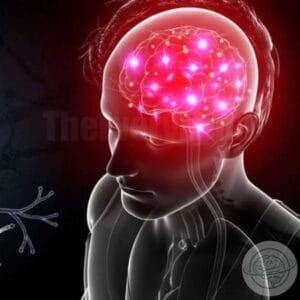
During a panic attack, the brain enters an extreme survival mode. Neuroscience explains this phenomenon through the concept of the “amygdala hijack.” The amygdala, our fear processing center, fires a life-threatening danger signal, disproportionately activating the sympathetic nervous system. This system releases a flood of adrenaline and norepinephrine into the body, preparing it for a fight-or-flight response to a threat that, in reality, does not exist.
This neurochemical storm triggers the overwhelming physical sensations: the heart races to pump more blood (tachycardia), breathing becomes fast and shallow (hyperventilation) to oxygenate the muscles, and blood is diverted from the digestive and higher cognitive systems to the large muscles. This is why, during the crisis, the person feels tingling, dizziness, chest pain, and a profound difficulty thinking clearly. The prefrontal cortex, responsible for rational thought and emotional regulation, is practically “shut down” by the intensity of the amygdala’s response, explaining the feeling of losing control and the fear of “going crazy” commonly reported. This imbalance in the amygdala-prefrontal cortex axis is a central feature not only of panic but of other anxiety disorders, as we explore in Overcoming Chronic Anxiety: Taking Back Control.
Agoraphobia: The Invisible Prison of Fear
Often, Panic Syndrome does not come alone. Agoraphobia is a frequent and particularly disabling complication. It is classically defined as the fear of being in situations from which it would be difficult or embarrassing to escape, or where help might not be available if a panic attack occurred. Far from being simply a “fear of open spaces,” as once thought, agoraphobia can manifest as an overwhelming fear of driving on highways, being in crowds, standing in lines, being inside shopping malls, airplanes, trains, or even being alone at home.
Avoidance behavior is the pillar of agoraphobia. Gradually, the person restricts their world, abandoning activities, ceasing to frequent places, and, in severe cases, may become completely reclusive. This is not a choice, but rather a desperate survival strategy to prevent the terrifying experience of another panic attack. Life becomes progressively smaller, and the prison of fear, increasingly real. Understanding that agoraphobia is an understandable consequence of panic, and not a weakness, is crucial to starting the recovery process.
The Unmistakable Signs: Recognizing the Crisis and Its Echoes
The 13 Symptoms of a Panic Attack
According to the Diagnostic and Statistical Manual of Mental Disorders (DSM-5), a panic attack is characterized by the abrupt onset of at least four of the following symptoms, which peak within minutes:
- Palpitations, pounding heart, or accelerated heart rate
- Sweating
- Trembling or shaking
- Sensations of shortness of breath or smothering
- Feelings of choking
- Chest pain or discomfort
- Nausea or abdominal distress
- Feeling dizzy, unsteady, light-headed, or faint
- Chills or heat sensations
- Paresthesias (numbness or tingling sensations)
- Derealization (feelings of unreality) or depersonalization (being detached from oneself)
- Fear of losing control or “going crazy”
- Fear of dying
Symptoms Between Crises: Anticipatory Anxiety
The suffering of Panic Syndrome is not limited to the acute attacks. In the intervals between crises, the person lives in a state of anticipatory anxiety, constantly apprehensive and fearful of the next attack. This hypervigilance generates a state of almost permanent muscle tension, irritability, difficulty concentrating, and sleep disturbances. Physical and mental exhaustion is a common complaint, as the nervous system is perpetually on high alert, consuming an immense amount of energy.
Demystifying Panic: Separating Fact from Fiction
One of the biggest obstacles to seeking help is the stigma and misinformation surrounding panic disorder. A common and deeply harmful myth is the belief that “it’s all in your head,” implying that it is not real. The sensations of a panic attack are intensely physical and physiological. The chest pain, tachycardia, and shortness of breath are real; the difference is that their origin is an imbalance in the brain’s alarm system, not a heart attack or a lung disease.
Another misconception is thinking that the person should be able to control themselves during a crisis. When the amygdala hijacks the brain, the prefrontal cortex – the seat of rational control – goes offline. Urging someone to “calm down” during a panic attack is as useless as asking someone to stop a seizure with willpower. The necessary intervention is different, focused on techniques that help reconnect the body and mind.
Finally, the idea that medication is the only solution and always causes dependency needs to be dispelled. While medications (especially antidepressants with anxiolytic action) can be vital tools for stabilizing the nervous system and breaking the cycle of fear, psychotherapy – particularly Cognitive Behavioral Therapy (CBT) – is highly effective and provides lasting skills for managing anxiety, reducing the need for long-term medication.
Recommended Readings

Saudade: Between the Pain of Absence and the Beauty of Affection
Explore the anatomy of saudade: its neuroscience, psychological function, and the threshold between healthy pain and paralyzing suffering. Learn strategies and a practical exercise to integrate it.

Nonviolent Communication: The Art of Making Yourself Understood Without Hurting
Master Nonviolent Communication (NVC): the 4-step technique to express feelings, resolve conflicts, and build genuine connections without blame or aggression. Learn to observe, feel, identify needs, and make clear requests.

Digital Anxiety: The Impact of Social Media
Understand digital anxiety and how social media affects your mind. Recognize the signs, impacts on self-esteem, and digital hygiene strategies for balance.
The Path to Recovery: Strategies for Taking Back Command
Specialized Professional Interventions
Recovery is an achievable process through evidence-based approaches. Psychotherapy is fundamental. Cognitive-Behavioral Therapy (CBT) for panic is considered the gold standard. It works on two fronts: cognitive restructuring, which teaches how to identify and challenge catastrophic thoughts about bodily sensations (e.g., “my racing heart is a heart attack”), and interoceptive exposure, a safe and controlled technique that involves deliberately provoking the physical sensations of panic (such as dizziness or increased heart rate) in a safe environment, to desensitize the fear of them and break the fear-of-fear cycle.
Psychiatric follow-up is often indicated, especially in the initial stages or more severe cases. Medication can provide the symptomatic relief necessary for the patient to have the disposition and cognitive resources available to fully engage in psychotherapy.
Practical Self-Management Strategies
Alongside professional treatment, self-management strategies are empowering. Training in slow diaphragmatic breathing techniques is one of the most powerful tools to stop hyperventilation and calm the nervous system at the onset of a crisis. For a broader repertoire, our guide Breathing Techniques to Calm Anxiety in Minutes offers a practical arsenal for these moments.
Sensory grounding techniques (grounding) help reconnect the mind to the present environment when feelings of derealization or depersonalization arise. Focusing on identifying 5 things you can see, 4 things you can touch, 3 things you can hear, 2 things you can smell, and 1 thing you can taste can “pull” the mind back from dissociation.
Psychoeducation – learning about the neurobiology of panic – is therapeutic in itself. Understanding that the sensations, although frightening, are harmless and temporary, takes away their catastrophic power. The regular practice of mindfulness, as detailed in Mindfulness: Finding Peace in the Present Moment, trains the mind to observe sensations of anxiety without reacting with panic, creating a space between the stimulus and the reaction.
Practical Exercise: The 3-Minute Emergency Anchor
This exercise is designed to be used when you feel the first signs of intense anxiety or an imminent panic attack, helping to interrupt the escalation of fear.
- STOP and CONNECT with your FEET (30 seconds): Wherever you are, stop for a moment. Consciously feel the soles of your feet on the ground. Press them lightly against the floor. If you are sitting, feel your back against the chair and your feet planted. Mentally say to yourself: “My feet are firmly on the ground. I am safe here.”
- SHIFT FOCUS to your BREATH (1 minute): Bring all your attention to your breath. Don’t try to force it. Place one hand on your chest and another on your abdomen. Inhale slowly through your nose counting to 4, feeling your abdomen expand. Then, exhale very slowly through your mouth counting to 6, emptying your lungs completely. Repeat this cycle for 1 minute, focusing only on the count and the physical sensation of the air moving in and out.
- IDENTIFY 3×3 in your ENVIRONMENT (1 minute): Keeping your breath slow, look around and identify:
- 3 things you can SEE (the wall color, an object on the table, the texture of the floor).
- 3 things you can HEAR (the computer hum, birds outside, the sound of your own breathing).
- 3 things you can FEEL physically (the texture of your clothes, the air temperature on your skin, the surface you are touching).
- AFFIRM your SAFETY (30 seconds): To finish, place your hands over your heart, close your eyes, and slowly repeat in your mind 3 times: “This feeling is scary, but it is temporary and harmless. It will pass. I am safe in this moment.”
Living with Panic Syndrome and agoraphobia can make you feel hostage to your own body and mind. However, it is vital to remember that panic is a master of illusion – it convinces you of a danger that does not exist. Recovery is not about never feeling a twinge of anxiety again, but about learning that you can tolerate these sensations without panicking. It is about reassuming command, moving from the position of hostage to that of a safe observer. Every time you use a breathing technique, question a catastrophic thought, or take a small step outside your comfort zone, you are weakening panic’s dominion and strengthening your own autonomy. The road back to freedom is built with these small daily acts of courage.
Have you ever experienced extreme anxiety or do you know someone who lives with it? Share in the comments: which of the strategies in this article—whether it’s the Emergency Anchor, the sensory grounding technique, or understanding the body’s “false alarm”—do you think could make the most difference in a moment of heightened fear?
To delve deeper, check out these references:
- American Psychiatric Association. (2013). Diagnostic and Statistical Manual of Mental Disorders (5th ed.). Diagnostic criteria for Panic Disorder and Agoraphobia.
- Brazilian Psychiatric Association (ABP). (2022). Guidelines for the Treatment of Panic Disorder. Evidence-based national recommendations.
- Clark, D. M., & Beck, A. T. (2010). Cognitive Therapy of Anxiety Disorders: Science and Practice. Foundation of Cognitive-Behavioral Therapy for anxiety disorders.
For a comprehensive and integrated overview of how various disorders connect and impact life, check out our complete guide: Mental Disorders: A Guide to Understanding, Recognizing, and Seeking Help.