⏱️ Reading time: 10 min
What is Post-Traumatic Stress Disorder (PTSD) Really?
Trauma is not the event itself, but the wound it leaves on the psyche. Post-Traumatic Stress Disorder (PTSD) is a mental health condition that can develop after exposure to an extreme traumatic event that involved death, the threat of death, serious injury, or sexual violence. Unlike a simple bad memory, PTSD represents a profound alteration in the brain’s alarm system, which remains permanently on high alert, as if the danger could return at any moment. The person cannot “leave the past behind” because, for their nervous system, the traumatic past is a living and present reality.
🧭 “This content is part of our series on Mental Disorders: A Guide to Understanding, Recognizing, and Seeking Help.” 👈 (Click here)
Understanding mental disorders is the first step in transforming suffering into a path of healing and self-knowledge.
The Brazilian Psychiatric Association (2022) emphasizes that exposure to the event can be direct, witnessed, or even indirect (as in the case of professionals who repeatedly deal with trauma details). What defines PTSD is not the type of event, but the nervous system’s response to it. While many people naturally recover from distressing events over time and with social support, others find their brain and body stuck in the moment of trauma, developing a characteristic set of symptoms that can persist for decades if left untreated. Understanding PTSD as a real injury to the threat-processing system is fundamental to compassion and the pursuit of treatment.
The Neurobiology of Trauma: When the Brain Gets Stuck in Danger
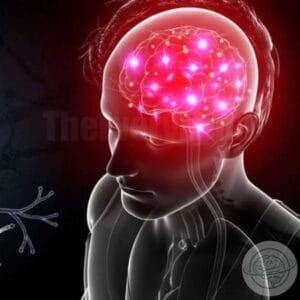
PTSD is, at its core, a disorder of memory and fear. Neuroscience reveals that during a traumatic event, the brain is flooded with stress hormones like cortisol and adrenaline. This chemical cascade compromises the functioning of the hippocampus, a structure crucial for the formation of contextual and narrative memories. Simultaneously, the amygdala, our danger alarm center, becomes hyper-reactive.
The result is a malprocessed traumatic memory. Instead of being stored as an ordinary memory of the past – with a beginning, middle, and end – the memory of the trauma gets “stuck” in primitive neural networks, disconnected from its temporal and geographical context. It manifests not as a narrative, but as raw sensory fragments: overwhelming images, sounds, smells, emotions, and physical sensations. This is why a noise, a smell, or a bodily sensation can make the person feel as if they are reliving the trauma, as if it were happening at that very moment. This mechanism of fragmented memory is explored in detail in Traumatic Memory: Why It Doesn’t Fade, where we delve into the neurobiological processes behind these intrusive recollections.
The Four Pillars of PTSD Symptoms
PTSD manifests through a constellation of symptoms grouped into four main clusters, which together form an invisible prison for those who suffer.
1. Intrusive Thoughts (Re-experiencing):
These are the “ghosts” that invade the present. The person involuntarily and vividly relives the trauma through:
- Flashbacks: Dissociative episodes where the person feels they are actually reliving the event, losing awareness of the present.
- Nightmares: Recurring, distressing dreams related to the trauma.
- Intrusive memories: Involuntary and disturbing thoughts, images, or recollections that burst into the mind.
- Intense psychological distress and physiological reactivity when exposed to internal or external reminders of the event.
2. Avoidance:
To protect themselves from the overwhelming pain of re-experiencing, the person begins to avoid anything that could serve as a trigger. This includes:
- Avoiding thoughts, feelings, or conversations about the trauma.
- Avoiding activities, places, objects, or people that remind them of the event.
- Dissociative amnesia: Difficulty remembering important aspects of the trauma.
3. Negative Alterations in Cognitions and Mood:
The trauma corrodes the person’s view of themselves, others, and the world. This pillar includes:
- Persistent and exaggerated negative beliefs about oneself, others, or the world (e.g., “I am bad,” “The world is extremely dangerous”).
- Cognitive distortions about the cause or consequences of the trauma that lead the person to blame themselves.
- Persistent negative emotional state (fear, horror, anger, guilt, or shame).
- Markedly diminished interest or participation in significant activities.
- Feelings of detachment or estrangement from others.
- Persistent inability to experience positive emotions (emotional numbness).
4. Alterations in Arousal and Reactivity (Hyperarousal):
The nervous system remains constantly in a state of red alert, prepared for danger. This manifests as:
- Irritable behavior and angry outbursts.
- Reckless or self-destructive behavior.
- Hypervigilance (constant state of alert).
- Exaggerated startle response.
- Problems with concentration.
- Sleep disturbances (difficulty falling or staying asleep).
Demystifying PTSD: Separating Fact from Fiction
One of the biggest obstacles to recovery is the stigma and misconceptions about the disorder. A common and cruel myth is the idea that PTSD is a sign of weakness. On the contrary, PTSD is a neurobiological reaction to an overwhelming experience. It can affect anyone, regardless of their strength of character, including soldiers, firefighters, survivors of violence, and healthcare professionals.
Another misconception is that “time heals all wounds” when it comes to trauma. For many people, without proper intervention, PTSD symptoms not only persist but can worsen over time. The passage of time alone does not reprocess malprocessed traumatic memories.
The belief that “people with PTSD are violent and dangerous” is also deeply harmful. Although irritability and angry outbursts are symptoms, most people with PTSD represent a much greater danger to themselves than to others, with high rates of risky behaviors and suicidal ideation. Stigma pushes people away from treatment and further isolates them in their suffering.
The Path to Healing: Reprocessing the Traumatic Memory
Specialized Professional Interventions
Recovery from PTSD is possible through specific and highly effective therapies. Psychotherapy is the cornerstone of treatment. Trauma-Reprocessing Therapy is considered the gold standard, with emphasis on two approaches:
Recommended Readings

Loneliness, Bonds & Community: The Reconnection Guide
Loneliness is a public health crisis. This guide reveals how emotional bonds protect and communities strengthen mental well-being. Learn warning signs, practical reconnection strategies, and when to seek help.

Abusive Relationships: The Bonds That Blind
Learn to identify the signs of abusive relationships, understand the cycle of violence, and discover strategies to break these bonds and reclaim your life.

Caring for the Caregiver: The Caregiver’s Journey
Guide for the mental health of Alzheimer's caregivers. Learn to deal with anticipatory grief, stress, and guilt, and preserve your well-being.
Trauma-Focused Cognitive Behavioral Therapy (TF-CBT) helps restructure the negative and dysfunctional beliefs developed after the event, in addition to using prolonged exposure techniques to desensitize the person to traumatic triggers.
Eye Movement Desensitization and Reprocessing (EMDR) is an innovative therapy that facilitates access to and reprocessing of traumatic memories. Using bilateral stimulation (such as eye movements), it helps the brain “process” the traumatic memory, storing it in an adaptive way, as an ordinary memory of the past, and no longer as a present threat.
Psychiatric follow-up may be necessary to manage specific symptoms, such as severe depression, debilitating anxiety, or sleep disorders, creating the stability needed for the person to engage in psychotherapy.
Practical Self-Management and Support Strategies
Alongside professional treatment, self-management strategies are crucial for regaining a sense of control. The practice of mindfulness and grounding techniques are powerful tools for managing dissociation and flashbacks, helping to reconnect the person with the present moment. Our guide Mindfulness: Finding Peace in the Present Moment offers a practical path to develop this crucial skill.
Regulating the nervous system through diaphragmatic breathing and heart coherence exercises can help reduce the constant state of hyperarousal. Establishing a sleep routine and regular physical exercise are also important pillars for restoring neurophysiological balance.
Social support is a crucial protective factor. Connecting with other people who understand the experience – whether in support groups or with friends and family – breaks the isolation and the feeling of being abnormal. Learning about the neurobiology of PTSD is, in itself, an act of self-compassion that helps to depersonalize the symptoms.
Practical Exercise: The Safety Anchor in the Present
This grounding exercise was developed to be used during moments of high anxiety, imminent flashbacks, or feelings of dissociation, helping to reconnect with the safe environment of the present.
- Declare Your Safety (30 seconds): Wherever you are, stop and say out loud or in a whisper: “My name is [Your Name]. I am in [Your City]. It is [day of the week], [year]. The traumatic event happened in the past. At this exact moment, I am safe.” Repeat this twice. The sound of your own voice stating the facts of the present can help break the reality of the flashback.
- Engage Your Immediate Senses (2 minutes): Direct your attention to your current sensory experiences. Identify:
- 4 things you can SEE in detail (the wall color, the texture of your desk, a specific object).
- 3 things you can HEAR (the hum of the refrigerator, birds outside, the sound of your own breathing).
- 2 things you can TOUCH and feel the texture of (the fabric of your clothes, the surface of the chair, the floor under your feet).
- 1 thing you can SMELL (the air in the room, a nearby soap, your coffee).
- Connect with a Safe Memory (1 minute): Close your eyes and quickly search your mind for a specific memory, however simple, in which you felt absolutely safe, calm, or content. It could be a place in nature, a hug, a moment of peace. Allow yourself to briefly feel the sensation of safety associated with that memory.
- Affirm Your Control (30 seconds): Place your hands over your heart or cross your arms giving yourself a light hug. Feel the physical contact. Take three deep breaths and repeat mentally: “This is a flashback/a memory. It is frightening, but it is not happening now. It will pass. I am in control of my breathing and my body here.”
Living with PTSD can make you feel like a hostage to your own past, with your mind and body perpetually stuck in a moment of horror. However, healing is not about erasing the memory, but about transforming your relationship with it. It is about teaching your nervous system, in a gradual and compassionate way, that the danger is over and that it is safe to inhabit the present. Every time you use a grounding technique, every therapy session completed, every small moment of peace reclaimed, is an act of courage that reconnects a thread of your being to the now. The journey is arduous, but the possibility of reclaiming your life from the dominion of trauma is real and achievable.
And you, have you ever witnessed or experienced a situation of great emotional impact that left its mark? If you feel comfortable sharing, tell us in the comments: which of these anchors in the present—affirming your security, engaging your senses, or connecting to a safe memory—do you believe could be your safe haven in moments of greatest internal turmoil?
To delve deeper, check out these references:
- American Psychiatric Association. (2013). Diagnostic and Statistical Manual of Mental Disorders (5th ed.). Diagnostic criteria for Post-Traumatic Stress Disorder.
- Brazilian Psychiatric Association (ABP). (2022). Guidelines for the Treatment of Post-Traumatic Stress Disorder. Evidence-based national recommendations.
- Van der Kolk, B. A. (2014). The Body Keeps the Score: Brain, Mind, and Body in the Healing of Trauma. Reference work on the impacts of trauma and paths to healing.
For a comprehensive and integrated overview of how various disorders connect and impact life, check out our complete guide: Mental Disorders: A Guide to Understanding, Recognizing, and Seeking Help.